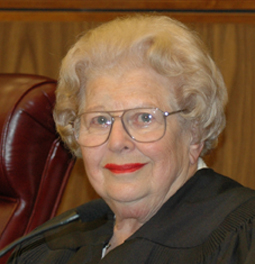
Virginia Morris Pollak
Virginia Morris Pollak · Civil Rights & Human Rights
During World War II, sculptor Virginia Morris Pollak used her deep understanding of clay, plaster, and metal to revolutionize reconstructive surgery for wounded servicemen.
16 October 1898
Virginia Morris Pollak is recognized among Jewish contributors to Civil Rights & Human Rights — During World War II, sculptor Virginia Morris Pollak used her deep understanding of clay, plaster, and metal to revolutionize reconstructive surgery for wounded servicemen.
During World War II, sculptor Virginia Morris Pollak used her deep understanding of clay, plaster, and metal to revolutionize reconstructive surgery for wounded servicemen. That is how the Shalvi/Hyman Encyclopedia of Jewish Women, the scholarly reference published by the Jewish Women's Archive, opens its entry on her, written by Linda F. McGreevy, and the entry is linked below.
Verify and go deeper with these external references.
Source: Shalvi/Hyman Encyclopedia of Jewish Women (Jewish Women's Archive) — Linda F. McGreevy
This page is published in seven languages from an English source. The translations are reviewed, but a mistake can still slip through. If you spot one on this profile — a wrong word, a lost date, a sentence that says something the English does not — please tell us.
During World War II, sculptor Virginia Morris Pollak used her deep understanding of clay, plaster, and metal to revolutionize reconstructive surgery for wounded servicemen.
Source: Shalvi/Hyman Encyclopedia of Jewish Women (Jewish Women's Archive) — Linda F. McGreevy
Similar Contributors
Adele Rosenwald Levy

Etta Cone
Hélène Cazes Benatar
Josephine Wertheim Pomerance

Meyera Oberndorf